Small Talk, Big Impact: UM Researchers Study on-Trail Conversations
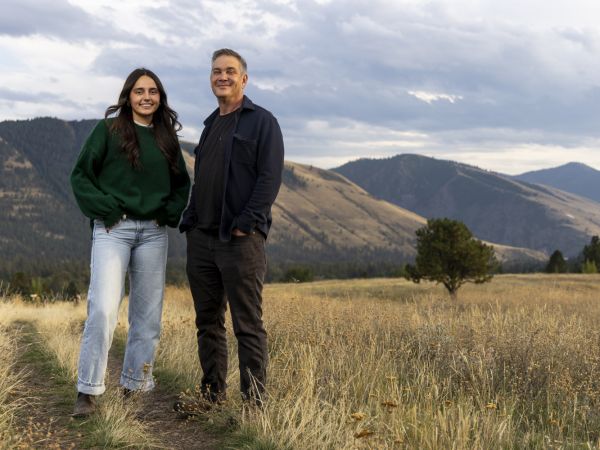
UM Communication Studies Professor Stephen Yoshimura poses in a hiking study site with Jess Reilly, a UM communication studies and psychology double major who worked as one of the study’s undergraduate research assistants. (UM photo by Marley Barboeisel)
By Abigail Lauten-Scrivner, UM News Service
MISSOULA – Have you ever had the experience of passing two people on a path, deep in lively conversation or perhaps walking in complete silence, and wondered what was going on between them?
University of Montana researchers got to learn just that through an ongoing study seeking to better understand the impact of everyday conversation in scenic spaces on well-being.
“In plain language, we’re looking to see if walking around in a pretty place makes people feel better, first of all,” said Stephen Yoshimura, UM communication studies professor and department chair. “But second of all, if anything they talk about with somebody who they enjoy being around helps explain why they feel better after their walk.”
The study builds on existing research that’s shown spending time in outdoor scenic spaces is directly related to positive emotional well-being.
“People feel better after they do that,” Yoshimura said. “But none of these studies really look at the effects of socializing while you are outside. No studies have looked to see if conversations and how people talk and what they talk about also help explain mood improvements.”
With the help of several undergraduate and graduate research assistants, Yoshimura hopes this new study will answer those questions. To do so, he and his students got to play flies on the wall to the conversations hikers had while traversing the Sunlight Trail in Missoula in spring 2023.
With permission and support from the Conservation Lands Management division of Missoula Parks and Recreation, the research team set up a table at the trailhead and waited for groups of two to appear. Yoshimura then asked the pairs if they were interested in participating in the study. Those who accepted filled out an initial survey about their current feelings and then carried around a phone strapped to one of the pair’s arms that recorded their conversation for 30 seconds every two minutes during the one hour hike.
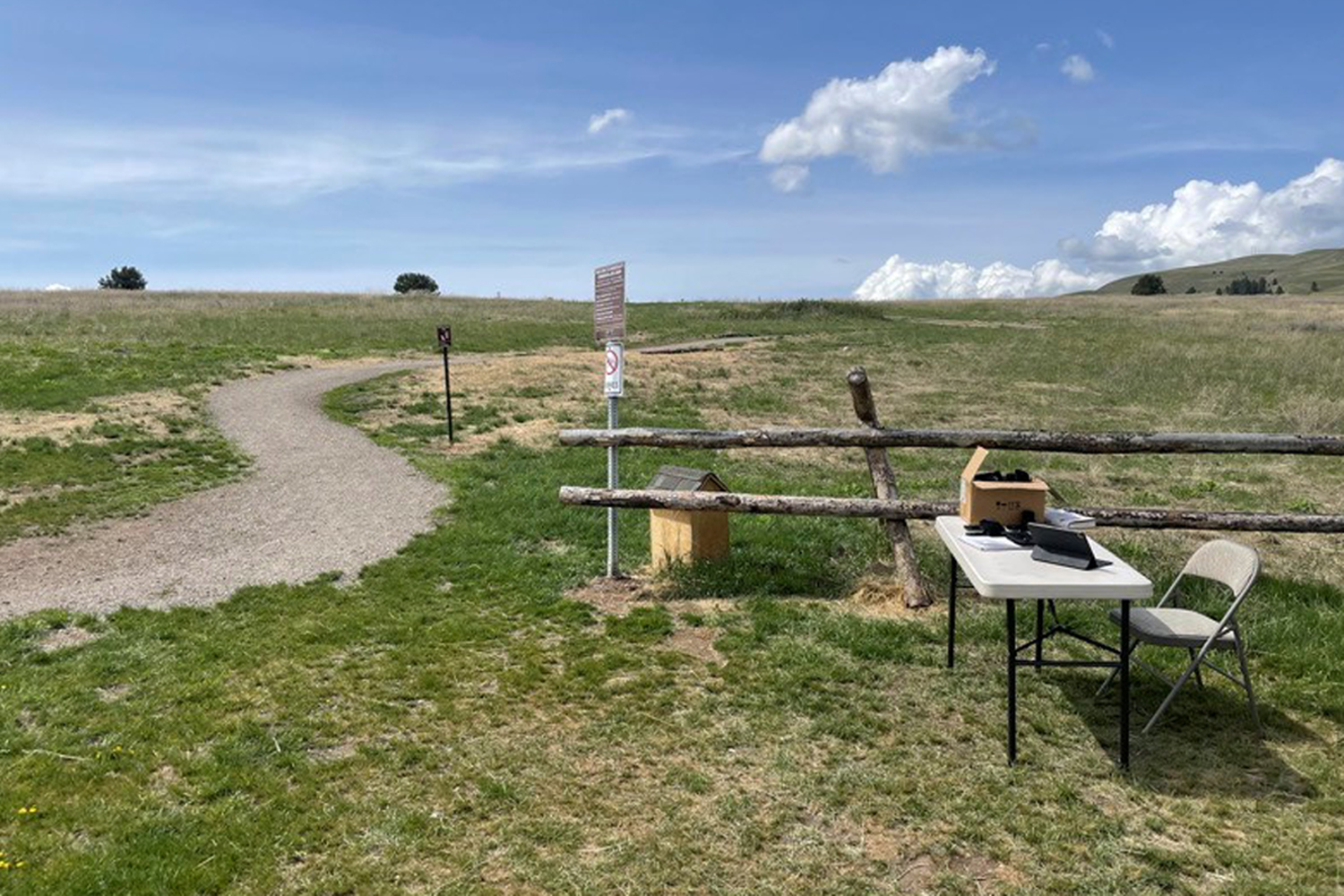
Twenty-five total pairs agreed to participate in the study and received $5 each for doing so. After finishing the loop, they all filled out a survey with questions asking how they felt, how strenuous the hike was and what their relationship was to the person they walked with.
The team is now analyzing the data collected that spring.
“We have enough data to show some preliminary findings and start talking about it,” Yoshimura said. “It's certainly interesting and really captivating data. There’s a good reason to believe that our findings will be supported.”
Jess Reilly, a UM junior and double major in communication studies and psychology, is working as one of Yoshimura’s research assistants and coding the recorded conversations. Reilly came to UM from New Jersey, chasing the Montana mountains and trails like the very one chosen for this study site.
After meticulously transcribing and studying the recordings, data from the 25 conversations resulted in 156 pages of notes. Based on the conversational themes reflected in the data, Reilly came up with 11 total categories like gossip, showing support, environmental commentary and silence. Information about the pairs, like their age or relationship to each other, was kept private from Reilly until she finished coding the data.
“It was super interesting because it was like I was getting to see a part of these people's lives for a little while through all the clips,” Reilly said. “Being able to listen into those conversations felt really cool.”
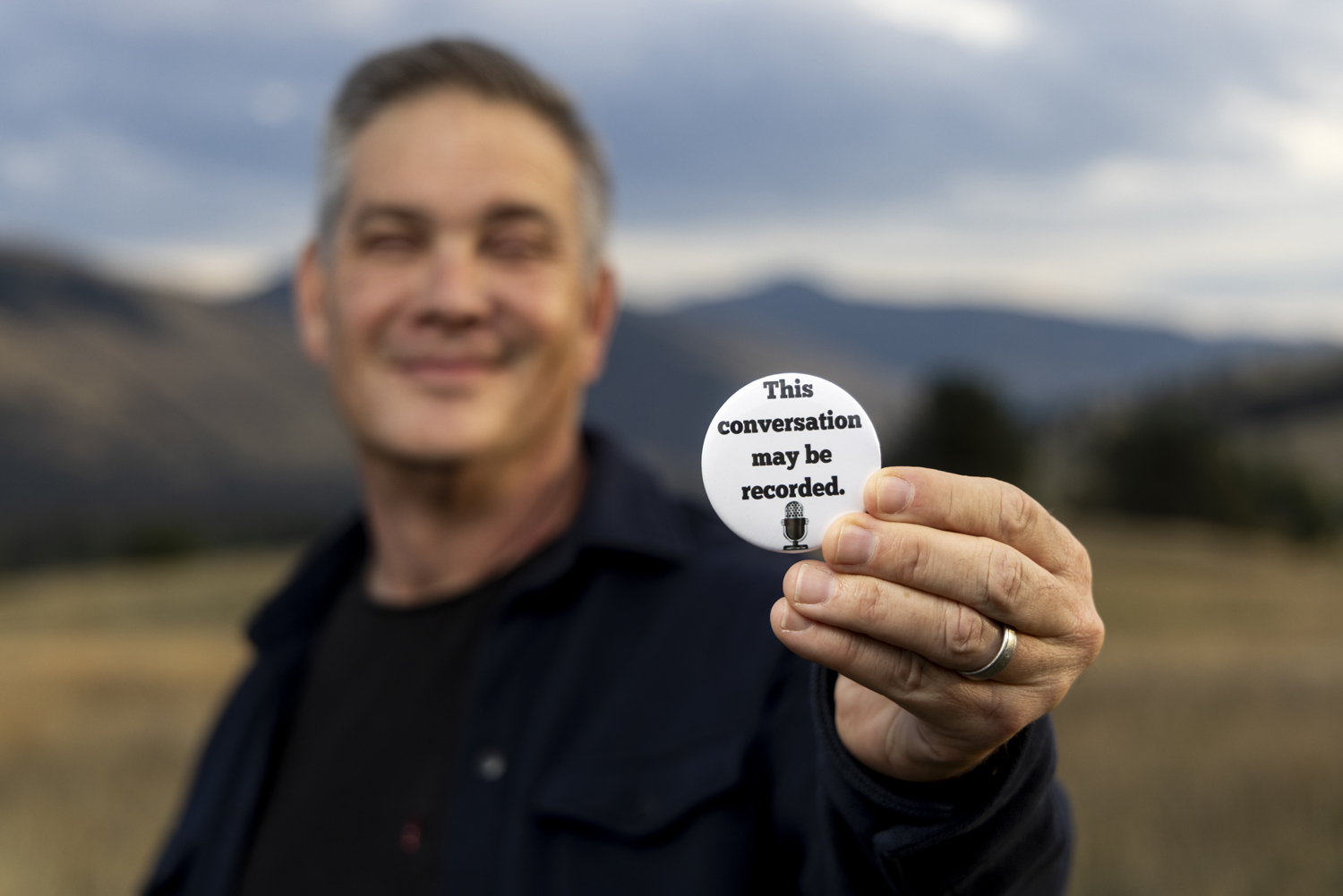
Lots of participants were recorded commenting on the fact that they were being recorded. Others were caught participating in the local small town gossip mill, name dropping specific individuals and what they were up to (such names were removed from the study to protect anonymity). Older individuals, she found, spent more time walking in silence.
“It was such a variety of different things,” Reilly said. “Some were so lighthearted, and then some were more argumentative, and some felt more meaningful.”
Reilly said participating in the research has helped her learn more about people, create connections between her two majors and provided her an opportunity to put her heart into something she really cares about.
“I’ve definitely found a love for reading research and understanding how everything we know now is because people figured it out in the past by doing things like this,” Reilly said. ”And then being able to be a part of it has only emphasized that. It’s so available here.”
For Yoshimura, one of the most interesting parts of the data was just how banal much of the recorded conversations were. But the routine or mundane nature of the chatter could have exciting implications for the research.
“If we were to find that conversational qualities actually play a role in changing people's moods while they’re recreating, what that would mean is that it’s just important to have somebody to talk with,” Yoshimura said. “It doesn't matter what you talk about. It’s just the fact that you have somebody to have a conversation with that really matters.”
Yoshimura hopes the research could demonstrate that this is one simple and accessible way for people to improve their well-being. Yoshimura is fascinated by the idea that an interaction might often look like happening at all, but actually a lot is going on.
“That has pretty big implications for understanding why people might feel better,” he said. “It's not just going for a walk that would be good, but you should go for a walk with somebody who you like. You don’t have to talk about anything major – just have somebody to chat with.”
###
Contact: Stephen Yoshimura, UM Department of Communication Studies professor and chair, 406-243-4951, stephen.yoshimura@umontana.edu.